Is TMS therapy safe? Learn the truth about common myths and real side effects of Neurostar TMS for depression and anxiety in this comprehensive safety guide.

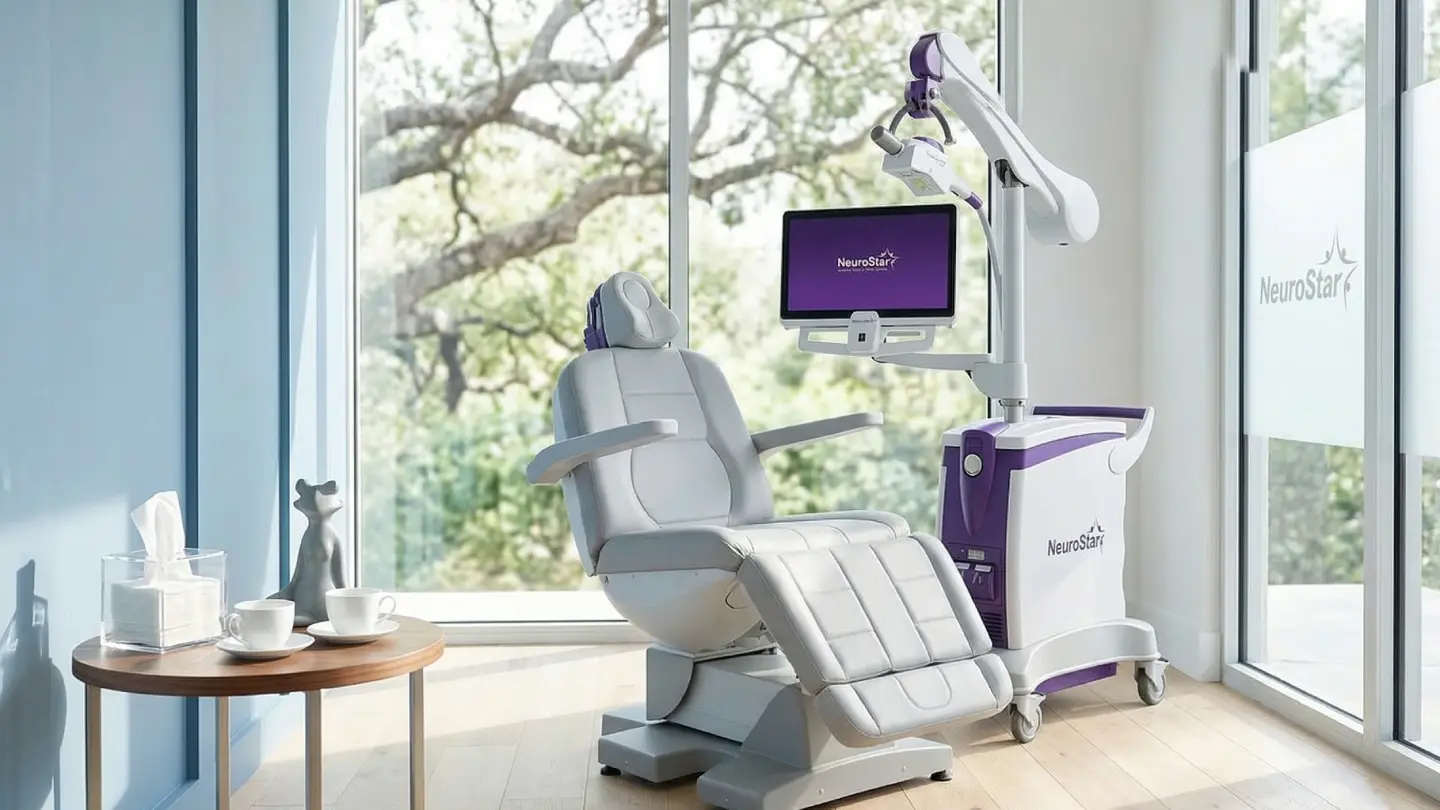
Table of Contents
If you have been struggling with depression or anxiety for a long time, you might feel like you have tried every pill on the market. It is common to feel frustrated when medications do not provide the relief you need. You might have heard about a treatment called Transcranial Magnetic Stimulation, which people often call TMS. While this technology has helped many people find their path back to mental wellness, it is natural to have questions about TMS safety.
At Atlanta Spravato and TMS Center, we believe that education is the first step toward healing. Whether you are looking for help for yourself or researching TMS for adolescent depression, understanding the facts is vital. We offer in person treatments at our offices in Atlanta and Decatur, Georgia. For those who live anywhere in the state of Georgia, we also provide telehealth appointments for initial evaluations. This ensures you can get expert advice from the comfort of your home before committing to a plan.
Understanding How TMS Therapy Works for Your Brain
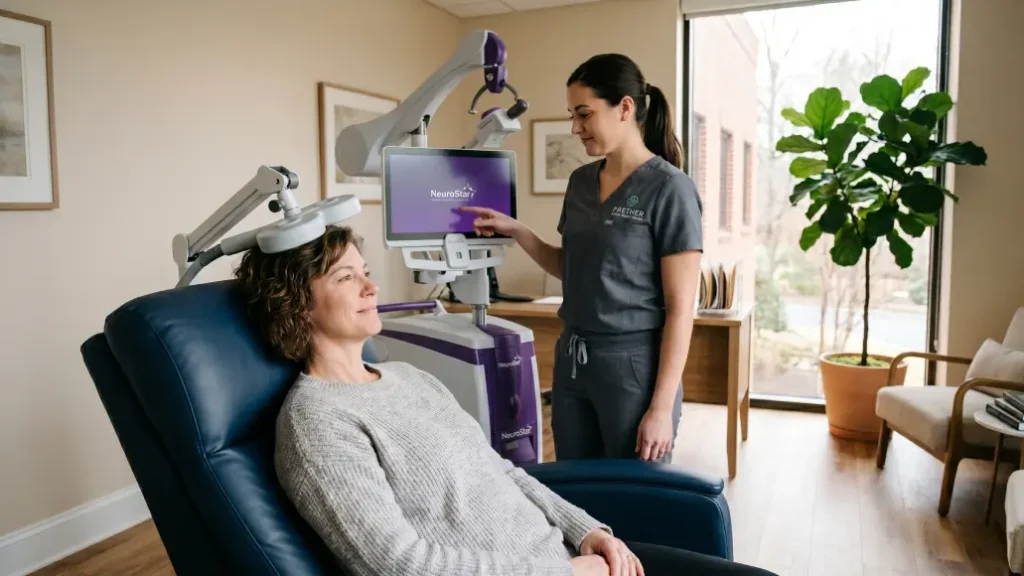
TMS is a non invasive procedure that uses magnetic fields to stimulate nerve cells in the brain. It specifically targets areas that are less active in people who suffer from depression. Unlike many other treatments, it does not require surgery or anesthesia. You remain awake and alert during the entire session.
According to the NIMH, this method is often used when other treatments have not worked well enough. The technology is very precise. It focuses on the prefrontal cortex, which is the part of the brain that helps regulate your mood. By using gentle magnetic pulses, it helps these brain cells start working better again. Many patients choose Neurostar advanced therapy because it has a long history of success and a strong profile regarding safety.
Debunking Common Myths About TMS Safety
One of the biggest hurdles for people considering this treatment is fear based on old movies or incorrect information. Let us clear up some of the most common myths today.
Many people think that TMS is the same thing as shock therapy. This is not true. Shock therapy, or ECT, uses electricity to cause a brief seizure while a patient is under general anesthesia. In contrast, TMS uses magnetic pulses similar to what you would find in an MRI machine. There is no electricity entering your brain and no seizure is required for it to work. You can even drive yourself home or go back to work immediately after your appointment in Atlanta or Decatur.
Another myth is that TMS will cause memory loss or change your personality. Clinical studies found on PubMed show that TMS does not hurt your memory or cognition. In fact, many patients report that they feel more like themselves again because their brain fog begins to lift as their depression improves. It does not change who you are. It simply helps your brain function the way it was meant to.
Real Side Effects and What to Expect During Treatment
While TMS safety is very high, like any medical procedure, there can be some mild side effects. It is important to know what is normal so you feel prepared. The FDA has cleared this technology because the risks are low for most people.
The most frequent side effect is a bit of discomfort on the scalp during the treatment. Some patients describe this as a tapping sensation or a light tingling. You might also have a mild headache after your first few sessions. These usually go away quickly as your body gets used to the magnetic pulses. If you feel any discomfort, our clinical team at Atlanta Spravato and TMS Center can adjust the settings to make sure you are comfortable.
A very rare but serious risk is the possibility of a seizure. However, the chance of this happening is extremely low. It happens in less than one out of every thirty thousand treatments. We screen every patient carefully to make sure they do not have risk factors that would make a seizure more likely.
Who Should Not Get TMS Therapy
Even though it is a very safe option, TMS is not right for everyone. These are called contraindications. If you have permanent metal in your head, you might not be able to receive this treatment. This includes things like deep brain stimulators, cochlear implants, or aneurysm clips. The magnetic field can interact with these metal objects and cause harm.
It is okay to have dental fillings or braces as these are usually not a problem. However, you must tell your doctor about any metal implants in your body during your evaluation. People with a history of epilepsy or certain neurological conditions may also need to avoid TMS. During our telehealth evaluations for Georgia residents, we go over your full medical history to ensure your TMS safety is the top priority.
Getting Started With TMS in Atlanta and Decatur
Finding the right TMS therapy information is the best way to feel confident about your choice. We want to make the process as easy as possible for you. If you are in the Atlanta or Decatur area, you can visit us in person to see the equipment and meet our friendly staff. We know that mental health struggles are hard, and we are here to support you every step of the way.
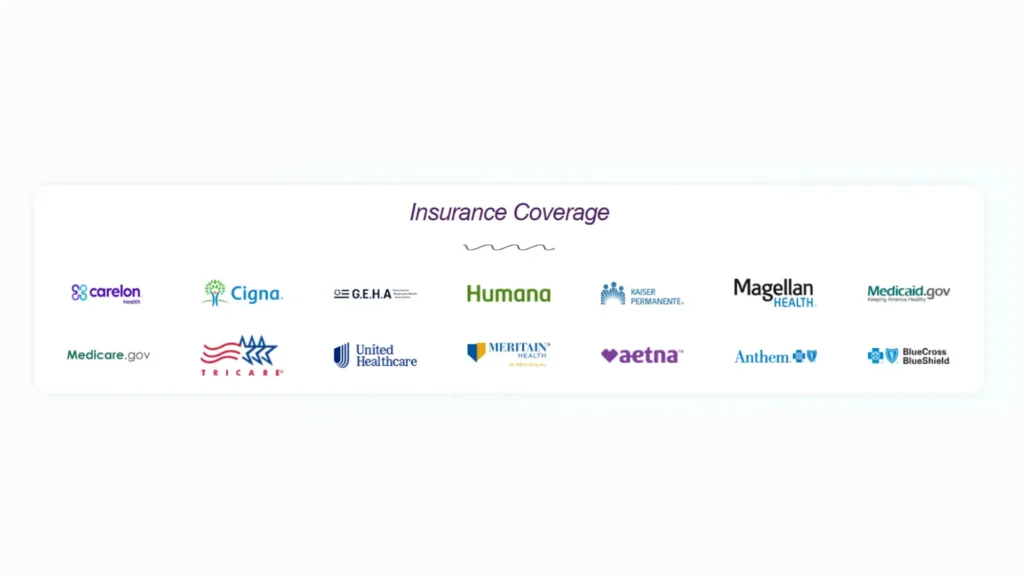
If you are wondering about the TMS cost and insurance, we can help with that too. Many major insurance plans now cover this treatment for adults and adolescents who have not found relief through traditional means. Check out the Neurostar safety and proof page to see more data on why this is a trusted choice for thousands of families.
Taking care of your mental health is an investment in your future. By choosing a treatment with a strong record of TMS safety, you are giving yourself a chance to thrive again. Whether you choose to see us in person or start with a telehealth visit, we look forward to helping you find the relief you deserve.

Book an Appointment
Start Your Journey to Psychological Wellness with Advanced Treatments
or