
Starting TMS for the first time can feel overwhelming. At Atlanta Spravato & TMS Center, we explain every step of the process—from evaluation to aftercare—so you know exactly what to expect.


Table of Contents
Learn More About Depression
If you’ve been struggling with depression that hasn’t improved with traditional antidepressants, you may have heard about Transcranial Magnetic Stimulation (TMS). It’s a non-invasive, FDA-approved treatment that uses magnetic pulses to stimulate specific areas of the brain linked to mood regulation.
At Atlanta Sparavato & TMS Center, we know that the first session can feel intimidating if you don’t know what to expect. This blog will walk you through every step of your first TMS appointment—from preparation to aftercare—so you can feel confident and informed.
What Is TMS Therapy?
TMS therapy uses a magnetic coil placed near the scalp to send painless pulses into targeted brain regions. Unlike medications, which affect the entire body, TMS focuses on the prefrontal cortex, the area associated with mood and decision-making.
The Mayo Clinic notes that TMS is safe, non-invasive, and effective for patients with treatment-resistant depression (TRD)—meaning they haven’t found relief with medications alone.
Preparing for Your First TMS Session
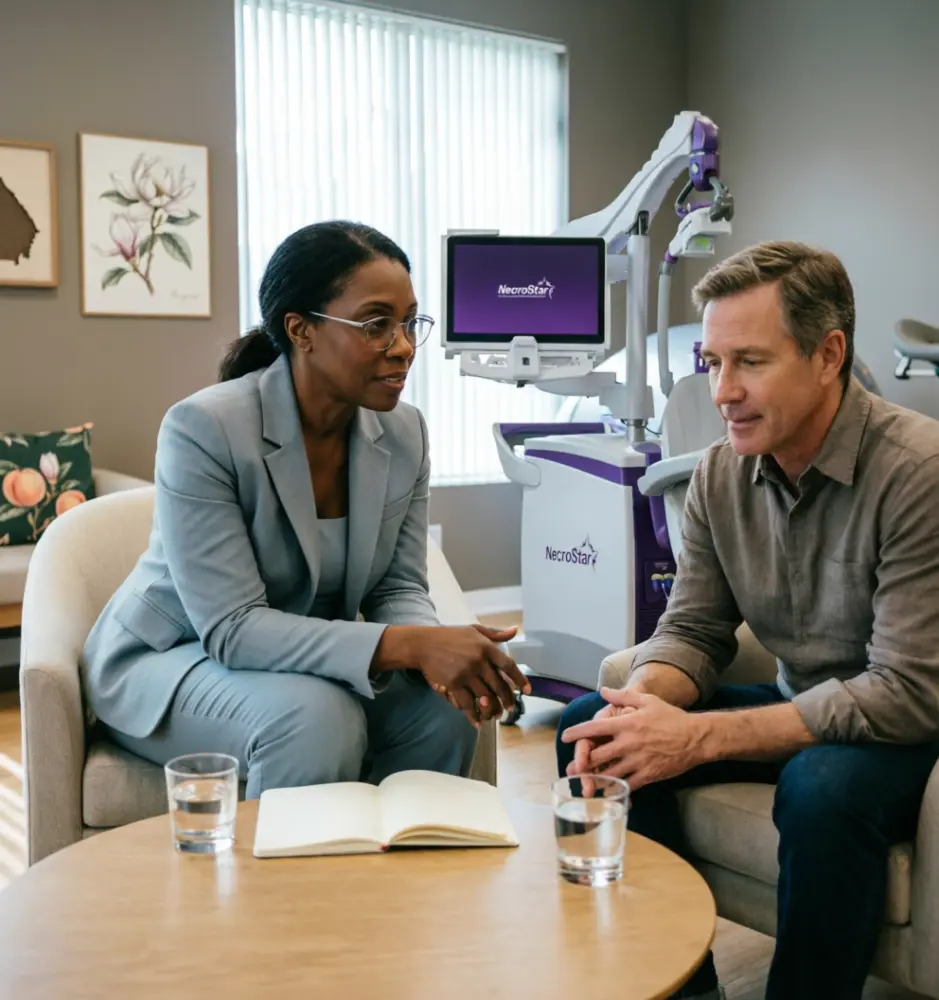
Your first session at Atlanta Sparavato & TMS Center begins with a detailed evaluation:
- Medical History Review – Your provider will discuss previous treatments, medications, and health conditions.
- Eligibility Screening – TMS isn’t recommended for individuals with metal implants in or around the head (such as cochlear implants or aneurysm clips).
- Baseline Assessments – Questionnaires and mood scales are used to track progress over time.
Step 1: The Motor Threshold Mapping
During your very first session, the provider identifies your motor threshold—the lowest magnetic strength that makes your thumb twitch. This helps personalize the treatment intensity to your brain’s needs.
According to the National Institute of Mental Health (NIMH), this step ensures accuracy and safety.
Step 2: The TMS Session Setup
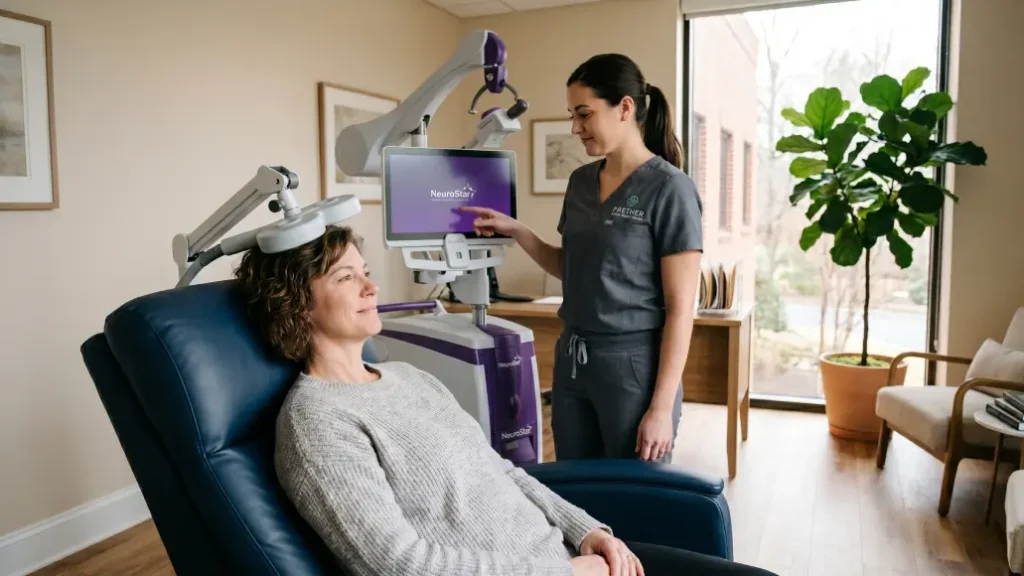
Once the motor threshold is determined, the provider positions the magnetic coil over the left prefrontal cortex.
What you’ll notice:
- You’ll sit in a comfortable chair.
- You’ll be awake and alert the entire time.
- No anesthesia or sedation is required.
The machine makes clicking sounds similar to an MRI, and you may feel tapping sensations on your scalp. Most patients describe it as mildly uncomfortable but not painful.
Step 3: The Session Experience
- Length of Session – Your first session usually takes 60–90 minutes, but subsequent sessions are shorter (about 20 minutes).
- Sensation – Patients often feel tapping or tingling on the scalp. This subsides quickly as your brain adjusts.
- Side Effects – The most common side effect is mild headache or scalp discomfort, which usually fades after the first few sessions.
Step 4: After the Session
Unlike other treatments, there’s no downtime after TMS:
- You can drive yourself home.
- You can return to work, school, or daily activities.
- No sedation means no recovery period is needed.
Most patients complete a course of 20–30 sessions over 4–6 weeks, followed by tapering sessions if recommended.
What Patients Often Worry About
- “Will it hurt?”
TMS is generally well tolerated. Most people describe it as tapping or mild pressure. - “Will I feel different immediately?”
Some patients notice mood improvements within the first 1–2 weeks, while others see changes later in treatment. - “Is it safe long-term?”
The American Psychiatric Association recognizes TMS as safe and effective, with minimal long-term side effects.
Benefits of TMS Therapy
Patients at Atlanta Sparavato & TMS Center often report:
- Improved mood and focus
- Better sleep patterns
- Reduced anxiety symptoms
- Increased daily functioning
TMS is especially beneficial for those who have tried multiple antidepressants without relief.
Combining TMS With Other Treatments
TMS works best as part of a comprehensive depression treatment plan. At our center, this may include:
- Medication management (when appropriate)
- Therapy sessions (CBT, DBT, or trauma-informed approaches)
- Sparavato (esketamine) treatments for treatment-resistant depression
- Lifestyle support (nutrition, exercise, and sleep strategies)
When TMS May Not Be Right
TMS is not recommended if you have:
- Metal implants near the head
- History of seizures (consultation required)
- Uncontrolled medical conditions
Our providers conduct thorough screenings to ensure safety.
How to Get the Most From Your TMS Treatment
- Stay Consistent – Attending all scheduled sessions increases effectiveness.
- Track Progress – Journaling mood changes helps measure improvement.
- Communicate – Share any side effects or concerns with your provider.
- Supportive Lifestyle – Exercise, healthy eating, and therapy complement TMS outcomes.
How Atlanta Sparavato & TMS Center Helps Patients
At Atlanta Sparavato & TMS Center – Atlanta, GA, our approach goes beyond the machine—we focus on holistic, patient-centered care:
- Comprehensive evaluations to determine if TMS is right for you
- Personalized treatment plans integrating TMS with other therapies
- Board-certified providers specializing in treatment-resistant depression
- Compassionate support throughout every stage of care
- Convenient Atlanta location with flexible scheduling
Conclusion
Your first TMS session doesn’t have to be intimidating. At Atlanta Sparavato & TMS Center, we guide patients every step of the way, ensuring comfort, safety, and clarity. TMS therapy is a safe, effective, and non-invasive option for those who haven’t found relief with traditional treatments.
If you or a loved one is considering TMS in Atlanta, our team is here to provide the support and expertise you need for a successful journey toward recovery.
References:
- Mayo Clinic – Transcranial Magnetic Stimulation (TMS)
- National Institute of Mental Health – Brain Stimulation Therapies
- American Psychiatric Association – Brain Stimulation Therapies
- Cleveland Clinic – Transcranial Magnetic Stimulation (TMS)
Tags:TMS