
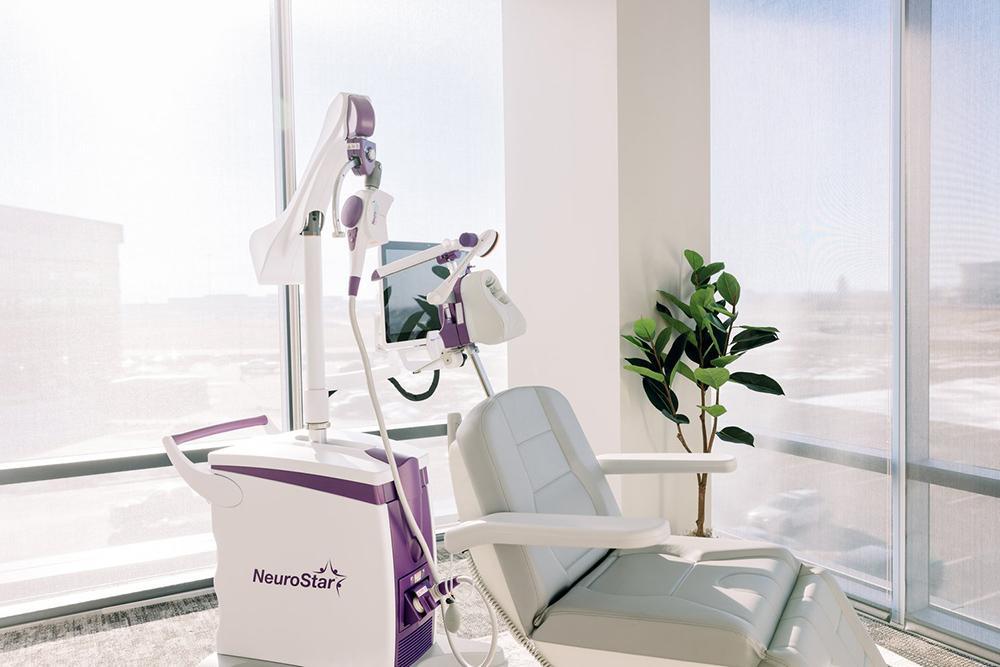
Understanding the Science Behind TMS Therapy in Atlanta
Transcranial Magnetic Stimulation (TMS) is a breakthrough in modern psychiatry, offering real hope for individuals living with treatment-resistant depression. At Atlanta Spravato & TMS Center, we provide NeuroStar® TMS therapy—an FDA-cleared, non-invasive method proven to reduce symptoms of depression when medications and therapy alone aren’t enough.
What is TMS Therapy?
TMS therapy is a non-drug, outpatient procedure that uses focused magnetic fields to stimulate nerve cells in targeted brain regions. Specifically, it targets the dorsolateral prefrontal cortex—an area often underactive in individuals with Major Depressive Disorder (MDD). Since its FDA approval in 2008, TMS has helped thousands regain stability and emotional balance.
How Does TMS Work?
During a TMS session, a NeuroStar® coil is gently positioned against the patient’s scalp. The device emits highly targeted magnetic pulses, similar in strength to those used in MRI machines. These pulses activate brain cells responsible for mood regulation, effectively “rebooting” the neural circuitry involved in depression. Treatment is delivered while patients are awake, alert, and comfortably seated.
Who Can Benefit from TMS Therapy?
TMS therapy is ideal for adults diagnosed with Major Depressive Disorder who haven’t achieved sufficient results with antidepressants. In addition, NeuroStar® is FDA-cleared for treating Obsessive-Compulsive Disorder (OCD) as an adjunctive therapy. TMS may also show promise for anxiety, PTSD, insomnia, and addiction, though these uses are considered off-label.
Key Advantages of TMS Therapy:
- Non-Drug Treatment: No medications are introduced into your bloodstream.
- Non-Invasive: No surgery or incisions required.
- No Anesthesia Needed: Patients remain awake and comfortable throughout.
- Minimal Side Effects: Avoids systemic side effects commonly associated with antidepressant medications (e.g., weight gain, sexual dysfunction).
- Convenient: Patients typically return to normal daily activities immediately after treatment.
TMS vs. Other Depression Treatments
Unlike antidepressants that affect the entire body, TMS delivers precision-focused treatment to the brain. Unlike Electroconvulsive Therapy (ECT), TMS doesn’t require sedation or cause memory loss. It’s a comfortable and convenient alternative for those seeking effective relief with fewer side effects.
Is TMS Therapy Safe?
TMS therapy is generally well-tolerated. Common side effects include temporary mild discomfort or pain at the treatment site, which typically subsides within the first week. Some patients may experience transient scalp sensations or minor facial twitching, which also diminish with ongoing treatments. The risk of seizure with TMS is rare, occurring in less than 0.1% of patients.
Frequently Asked Questions
What types of trauma do you treat?
Our Trauma Service treats a wide range of traumatic experiences, including but not limited to physical or sexual assault, childhood abuse, domestic violence, accidents, natural disasters, military combat, and witnessing or experiencing violence. We provide care for both acute and chronic trauma.
What are common symptoms of trauma?
Common symptoms of trauma can include flashbacks, nightmares, severe anxiety, depression, irritability, emotional numbness, difficulty concentrating, and avoidance of places or situations that trigger memories of the trauma. Physical symptoms such as headaches, fatigue, and gastrointestinal issues can also occur.
What treatments are available for trauma?
Treatments for trauma typically include therapies such as Cognitive Behavioral Therapy (CBT), Eye Movement Desensitization and Reprocessing (EMDR), trauma-focused cognitive therapy, and somatic experiencing. In some cases, medication may be prescribed to manage symptoms such as anxiety or depression. Our service also offers group therapy and support groups to provide additional support.
How effective are these treatments for trauma?
Evidence-based treatments for trauma, such as CBT and EMDR, have been shown to be highly effective in helping individuals process and recover from traumatic experiences. Many patients experience significant improvement in symptoms and overall quality of life. The effectiveness of treatment can depend on factors such as the individual’s commitment to therapy, the severity of the trauma, and the presence of a supportive environment.
How do I know if I need professional help for my trauma?
If you are experiencing persistent symptoms that interfere with your daily life, relationships, or ability to function, it may be beneficial to seek professional help. This can include ongoing feelings of fear or helplessness, intrusive memories, avoidance behaviors, difficulty managing emotions, or physical symptoms linked to the trauma. Consulting with a mental health professional can help you determine the best course of action for your specific situation.
Start Your TMS Journey in Atlanta

Book an Appointment
Start Your Journey to Psychological Wellness with Advanced Treatments